
Understanding How Design Elements Enhance Buildings
Buildings are more than just structures; they are expressions of creativity and style. When designing a building, aesthetics play a crucial role. Various elements work together to create an inviting and visually appealing space. One such element is trim molding. This design feature can transform the look and feel of any building, adding character and depth. Understanding its role helps make informed decisions during construction or renovation projects.
The Importance of Trim Molding
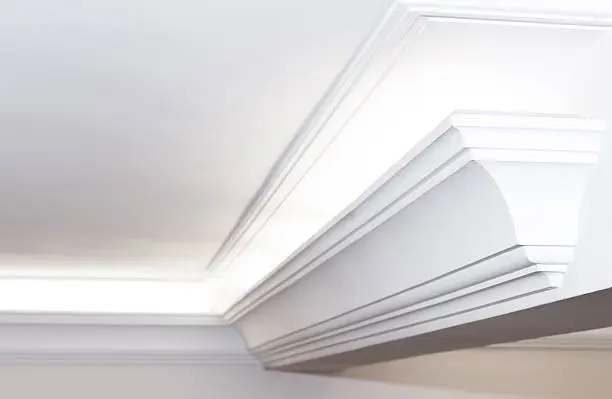
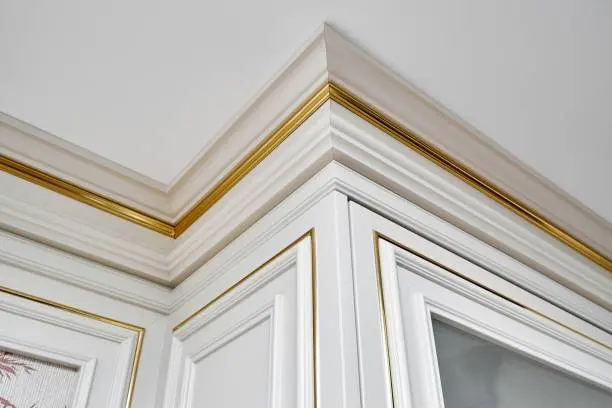
Trim molding serves as both a decorative and functional component in buildings. It frames doors, windows, and ceilings, creating defined lines that enhance architectural features. Often made from wood, plaster, or synthetic materials, trim molding adds an elegant touch to interiors and exteriors alike. The right choice of trim can elevate a building’s aesthetic appeal, making it stand out while seamlessly blending with the overall design.
Types of Molding Materials
Various materials are used for trim molding, each offering unique benefits:
- Wood: Offers a natural look and is easy to customize.
- Plaster: Ideal for intricate designs and historical restoration.
- Synthetic materials: Cost-effective and resistant to moisture and pests.
The Benefits of Using Decorative Moldings
Decorative moldings provide several advantages beyond aesthetics. They protect walls from damage, hide unsightly joints, and improve insulation by reducing drafts around windows and doors. Additionally, they add resale value to properties by increasing visual appeal and perceived quality. Whether you’re constructing a new building or renovating an old one, incorporating trim moldings is a strategic move that pays off in multiple ways.
Challenges in Choosing the Right Molding
Selecting the perfect trim molding requires careful consideration of several factors. The building’s style, material compatibility, and budget constraints must all be evaluated. Homeowners may face challenges like matching existing décor or adhering to historical guidelines for older properties. It’s essential to balance these considerations to achieve a cohesive look without overspending.
How to Select Appropriate Moldings
Choosing the right moldings involves several steps:
- Assess your building’s architectural style.
- Determine the primary function (aesthetic vs. protective).
- Select a material that fits your budget and maintenance preferences.
- Test samples to ensure color and texture compatibility.
These steps help streamline decision-making, ensuring you pick moldings that complement your building’s design.
Best Practices for Installing Moldings
Proper installation is key to maximizing the benefits of trim moldings. Here are some best practices:
- Hire experienced professionals for precise fitting.
- Use high-quality adhesives and fasteners suitable for your chosen material.
- Regularly inspect and maintain moldings to prevent damage over time.
By following these tips, you ensure longevity and durability of the installed trim.
Cost Considerations With Trim Moldings
The cost of installing trim moldings varies based on material, complexity of design, and labor charges. While wood might be pricier due to its customization potential, synthetic options offer budget-friendly alternatives. It’s important to weigh upfront costs against long-term benefits like increased property value and reduced maintenance expenses.
Conclusion: Elevate Your Space
If you’re considering enhancing your building’s aesthetics, think about incorporating trim moldings into your design plan. Located in Los Angeles, CA, we at Precast Pro Products Inc specialize in helping clients select the ideal trim solutions for their needs. Contact us today at (310) 995-0385 for expert guidance on achieving a polished look for your building project.